Understanding the Significance of Aluminum Spreading in Modern Production Processes
Light weight aluminum casting has emerged as an important component in contemporary production. Its light-weight and sturdy nature adds substantially to different sectors, from automotive to electronic devices. In enhancement, improvements in casting techniques improve manufacturing efficiency and quality. As producers seek ingenious services, the role of aluminum spreading in sustainability comes to be progressively important. This discussion will check out the complex importance of light weight aluminum casting and its ramifications for the future of production. What lies in advance in this developing landscape?
The Advantages of Aluminum Spreading in Manufacturing
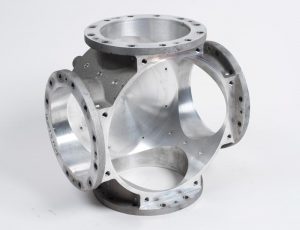
Aluminum casting offers many advantages that improve its allure in modern production procedures. One significant benefit is its lightweight nature, which brings about lowered power usage and boosted fuel efficiency in transport applications. In addition, light weight aluminum's excellent rust resistance prolongs the life expectancy of cast items, making them extra resilient in different settings. The material additionally promotes complicated geometries and detailed layouts, allowing producers to create elements that fulfill precise specifications.
Furthermore, light weight aluminum casting boasts a fairly reduced melting point, which saves power throughout the production process. This quality also makes it possible for fast cycle times, enhancing total efficiency. The recyclability of light weight aluminum contributes to sustainability efforts, as recycled aluminum calls for significantly less power to procedure contrasted to key aluminum. Collectively, these advantages setting light weight aluminum casting as a necessary strategy in contemporary manufacturing, satisfying the demands for effectiveness, performance, and ecological duty.
Applications of Light Weight Aluminum Spreading Throughout Industries
While different materials are employed in production, aluminum spreading has become a pivotal technique across several sectors because of its adaptability and functionality. This procedure is commonly made use of in the automotive industry for creating lightweight engine blocks, transmission cases, and numerous parts that improve gas efficiency. In the aerospace sector, aluminum spreading is necessary for creating elaborate components that need high strength-to-weight proportions, adding to boosted airplane efficiency.
The electronics industry relies on light weight aluminum castings for warm sinks and real estates, where thermal management is vital for device long life. The building and construction market additionally gains from light weight aluminum casting in the type of architectural elements and architectural components that combine aesthetic appeal with longevity. Furthermore, the customer products market uses light weight aluminum castings for cookware and showing off devices, leveraging the material's exceptional corrosion resistance and visual surface. On the whole, aluminum casting functions as a keystone in modern manufacturing, supporting varied applications throughout numerous areas.
The Role of Light Weight Aluminum Casting in Sustainability
Sustainability has come to be a centerpiece in producing methods, and light weight aluminum spreading plays a crucial role in promoting ecologically friendly options. The procedure of light weight aluminum spreading is naturally lasting because of the material's recyclability. Light weight aluminum can be reused numerous times without shedding its properties, substantially decreasing power usage and basic material requirements. This recycling process eats just around 5% of the energy needed for key light weight aluminum production, causing a remarkable reduction in carbon emissions.
Furthermore, light weight aluminum spreading assists in the manufacturing of lightweight components, which contribute to energy efficiency in different applications, specifically in the aerospace and vehicle sectors. Lighter cars consume less fuel, more minimizing ecological effect. Furthermore, improvements in casting methods are maximizing product utilization, decreasing waste in making processes. As industries seek to straighten with sustainability goals, light weight aluminum casting emerges as a feasible option, supporting a round economic situation and cultivating responsible production techniques
Technological Developments in Light Weight Aluminum Casting Techniques
As markets progress, the adoption of ingenious modern technologies in light weight aluminum casting methods has actually transformed producing procedures. The integration of computer-aided layout (CAD) and computer-aided manufacturing (WEBCAM) systems enhances precision and performance, enabling intricate geometries that were previously testing to produce. Advanced melting and spreading methods, such as die spreading and investment casting, have actually improved the high quality of light weight aluminum components, minimizing and lessening flaws waste. In addition, the introduction of automated systems and robotics in casting operations has structured process and boosted productivity. These developments additionally allow real-time tracking and information analytics, helping with better decision-making and quality assurance. In addition, the advancement of new alloys and warm therapy procedures has actually expanded the efficiency abilities visite site of actors aluminum products. Jointly, these technical developments not only optimize production efficiency yet also add to the sustainability of light weight aluminum spreading in modern manufacturing.
Future Fads in Light Weight Aluminum Casting and Its Influence on Development
Emerging fads in aluminum casting are positioned to reshape the production landscape, driving technology throughout different fields. One considerable pattern is the integration of sophisticated automation and robotics, which improves accuracy and efficiency in manufacturing processes. Additionally, the surge of additive manufacturing strategies is enabling extra complicated designs, decreasing material waste and production time. As sustainability ends up being a concern, the industry's emphasis on reusing light weight aluminum and making use of green methods is expected to grow, lining up with international ecological objectives.
The growth of clever casting technologies, consisting of real-time surveillance and information analytics, is set to boost quality control and functional performance. These innovations will assist in the production of lighter, stronger, and a lot more long lasting light weight aluminum parts, accommodating markets such as automotive and aerospace. Inevitably, these trends will not just enhance producing procedures but also inspire brand-new applications of light weight aluminum spreading, cultivating a culture of advancement and versatility out there.
Frequently Asked Inquiries
What Is the Background of Aluminum Spreading in Production?
How Does Light Weight Aluminum Spreading Compare to Other Steels?
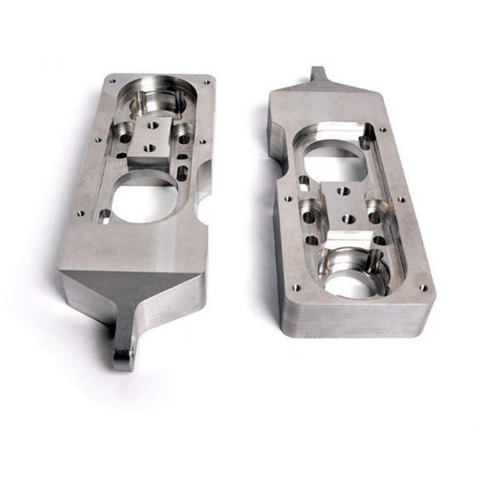
Light weight aluminum casting offers benefits such as light-weight homes and deterioration resistance compared to other steels. Precision aluminum casting. It boosts and promotes intricate shapes power efficiency, making it a preferred option in various production applications over heavier options like steel or iron
What Are the Common Problems in Light Weight Aluminum Casting?
Common flaws in aluminum spreading include porosity, contraction, misruns, and inclusions. These issues can occur from incorrect pouring strategies, poor mold layout, or polluted materials, causing lessened architectural honesty and performance of the end product.
Just how Is the Top Quality of Aluminum Castings Tested?
The quality of light weight aluminum spreadings is checked via methods such as aesthetic evaluations, dimensional dimensions, non-destructive testing strategies, and mechanical residential property assessments, making sure that that site they fulfill specified standards for efficiency and structural stability.
What Are the Safety And Security Actions in Aluminum Casting Processes?
Safety and security procedures in light weight aluminum casting processes include making use of individual safety devices, appropriate ventilation systems, routine equipment maintenance, training workers on dangers, and applying strict emergency situation protocols to reduce threats connected with high temperature levels and liquified steel.
The recyclability of aluminum contributes to sustainability initiatives, as recycled light weight aluminum calls for significantly less energy to process compared to main aluminum. While numerous materials are used in production, aluminum casting has actually come to be a pivotal approach across numerous industries due to its versatility and capability. Advanced melting and spreading click to find out more techniques, such as die casting and investment spreading, have actually boosted the top quality of aluminum parts, minimizing problems and lowering waste. Arising trends in aluminum spreading are poised to reshape the production landscape, driving technology across various sectors. Aluminum casting has evolved since the late 19th century, initially establishing with the introduction of aluminum as a lightweight metal.